
Agriculture · Grains & Oilseeds
Wheat
Milling, feed and durum wheat procured to defined protein, moisture and falling number specifications.
Overview
What Wheat is and who uses it
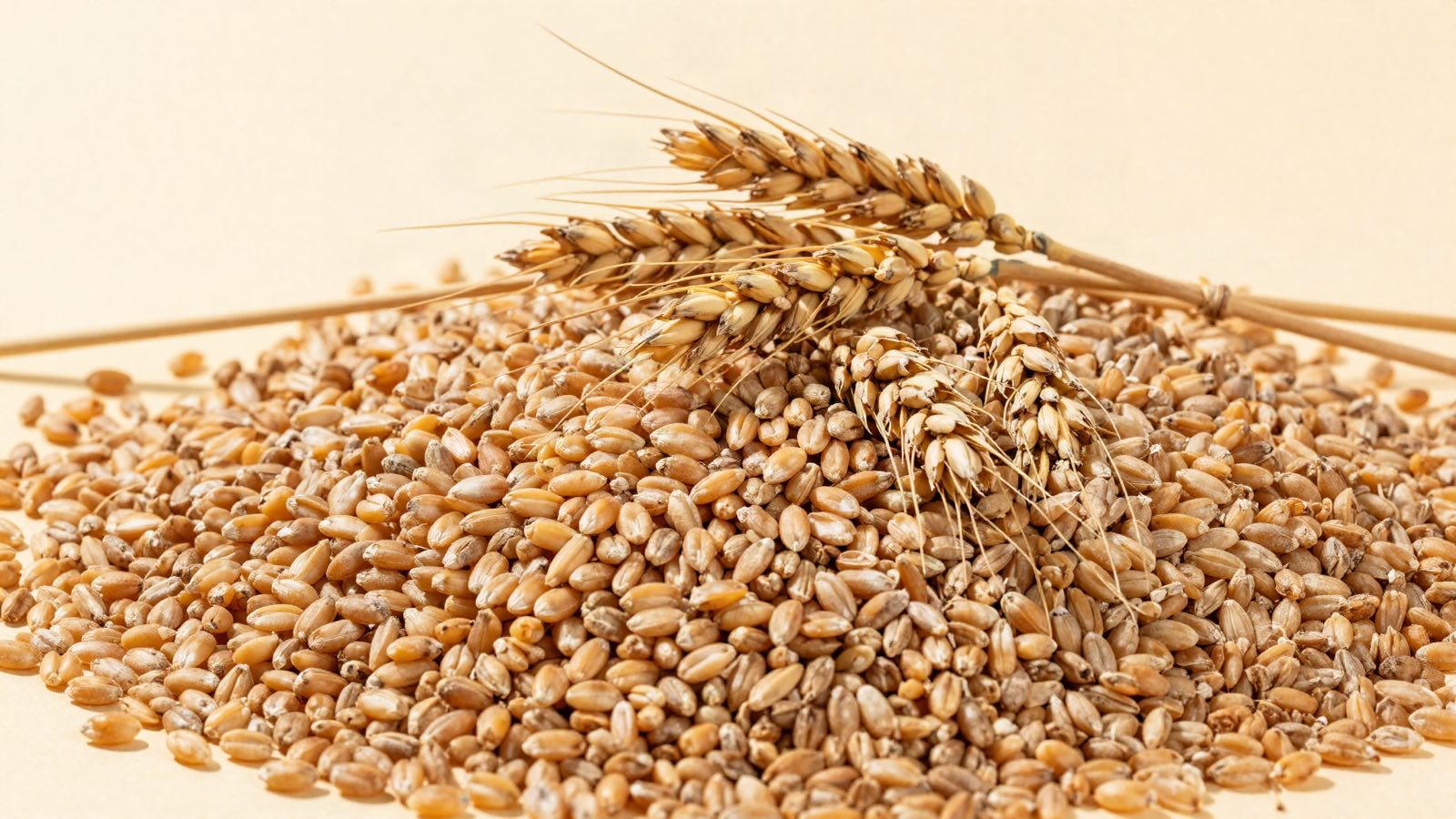
Wheat is traded principally as milling wheat for flour production, feed wheat for compound feed manufacture, and durum for pasta and semolina. The commercial distinction between grades rests on protein content, specific weight and falling number. A Hagberg falling number below roughly 220 seconds indicates sprout damage and moves milling wheat into the feed market at a materially lower value.
Why go through us rather than buying direct
Agricultural supply is spread across thousands of small exporters, and the quality of a cargo is decided at origin rather than when it lands. Buy direct with nobody checking and you find out about the missing phytosanitary certificate, or the aflatoxin reading, at the border. By then the money has gone and the cargo is sitting on demurrage. We verify the supplier, fix the specification in the contract, and inspect before anything ships.
One thing to watch. Protein and falling number should be contracted with a stated tolerance and a price adjustment scale, not as a single target figure. Without a scale, marginal cargoes become all-or-nothing rejections.
Specification
Variants & Grades
The grades below are the ones traded commercially. If a grade has a standard code, put the code in your brief rather than describing the material. Codes are enforceable in a contract. Descriptions are not.
- Milling Wheat
- Feed Wheat
- Durum Wheat
- Organic Wheat
Sourcing
Origin Countries
We source this from the countries below. Origin is not a preference. It decides which phytosanitary and licensing rules apply, what specification is achievable, how the freight routes and what sanctions exposure you take on. We choose it against your compliance and delivery needs, not on price alone.
Standards
Compliance & Documentation
Everything below is applied as standard on this commodity. You get the complete document set when the transaction closes.
- Phytosanitary certificate issued by the national plant protection organisation of the country of origin (IPPC standard)
- EUDR due diligence where the consignment contains soy or soy-derived material
- Mycotoxin limits under Commission Regulation (EC) No 1881/2006: aflatoxin B1, total aflatoxins, deoxynivalenol and zearalenone
- Pesticide maximum residue levels under Regulation (EC) No 396/2005
- GMO status declaration and, where required, non-GMO identity preservation documentation
- ISPM 15 treatment marking on any wood packaging
Verification
Quality & Inspection
Put the parameters below in your brief with a tolerance against each, not a single target figure. A specification without tolerances gives the contract nothing to fall back on when a cargo lands marginally out.
- Moisture content (%)
- Protein content (% dry basis)
- Test weight / hectolitre weight (kg/hl)
- Foreign matter (%)
- Broken and shrivelled grains (%)
- Falling number (seconds)
- Oil content (% for oilseeds)
- Aflatoxin and DON limits (ppb)
- Hagberg falling number (seconds)
- Specific weight (kg/hl)
- Wet gluten content (%)
- Sprouted grains (%)
We appoint an independent inspection agency at origin. They check quantity, quality against what was contracted, and the condition of the packaging, all before the shipment is released for loading. That certificate is what any later claim rests on.
Movement
Getting it to you
| Packaging | Bulk, 25 kg or 50 kg polypropylene bags, or 1 MT FIBC bulk bags with polyethylene liner |
|---|---|
| Shipment | Bulk vessel (handysize to panamax) for volumes above 3,000 MT; 20 ft FCL at approximately 25 to 27 MT for containerised lots |
| Storage | Dry, ventilated silo or warehouse below 14% moisture, with fumigation on loading where the destination requires it |
| Incoterms | FOB, CFR, CIF, DAP |
Engagement
How to order Wheat
Send us a brief covering the points below. Within one working day we will tell you whether we can fulfil it, how we would approach it, what paperwork it needs and roughly how long it takes.
- Which grade of Wheat you need, with tolerances
- Volume, and whether this is one shipment or a regular requirement
- Where it needs to land, which port, and by when
- Any certification you need: organic, Halal, Kosher, RSPO, FSC or other
- Preferred Incoterms and how you want to pay
- Packaging format and any labelling
Next step
Need Wheat?
Send us the specification, the volume and when you need it. We will confirm whether we can do it, and how, within one working day.