
Raw Materials · Agricultural Inputs
Potash
Muriate and sulphate of potash and potassium nitrate, with full ownership screening.
Overview
What Potash is and who uses it
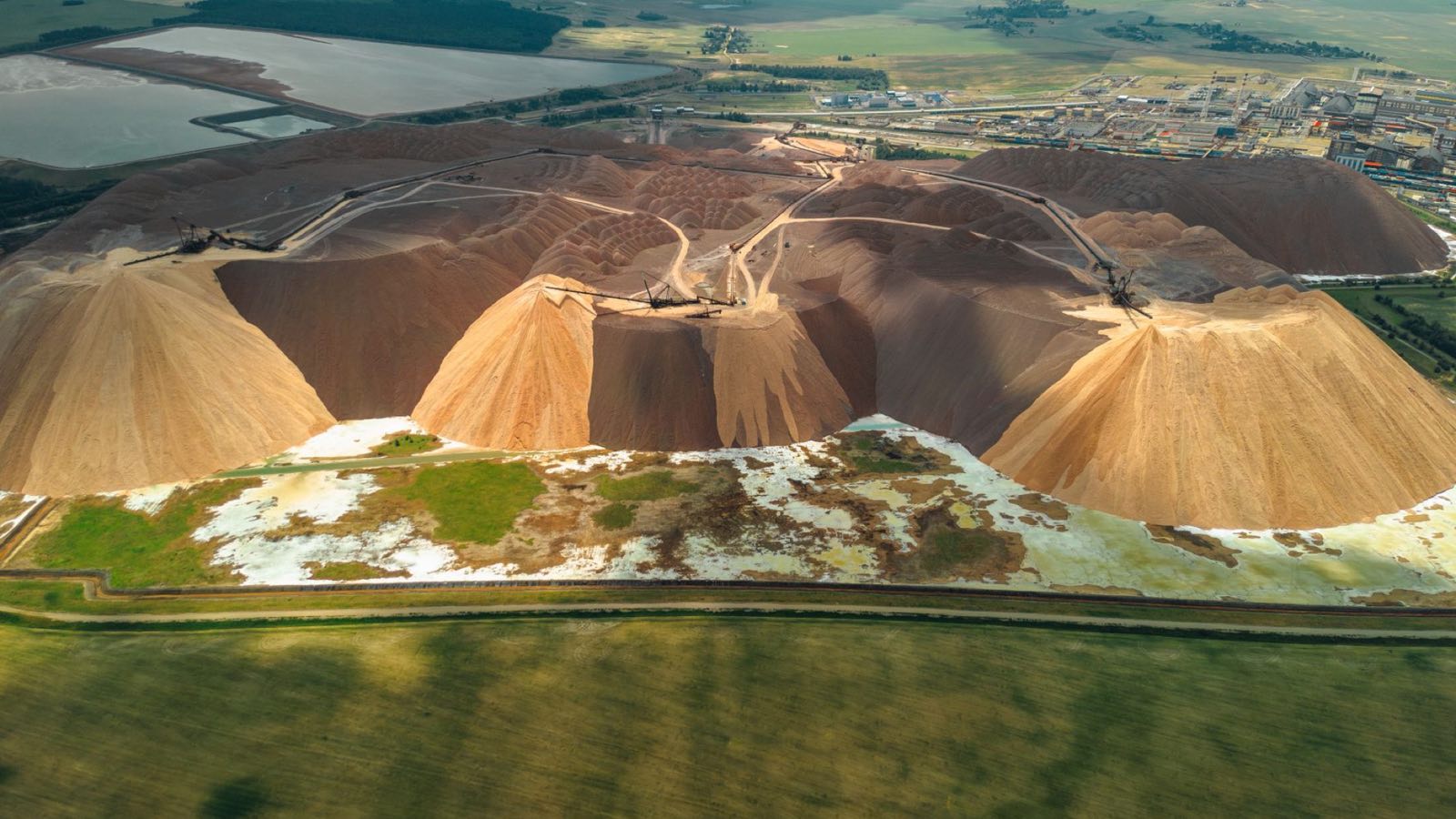
Potash supply is highly concentrated, with Canada, Russia and Belarus historically accounting for the majority of exports. Sanctions on Belarusian and Russian producers have restructured trade flows and made beneficial ownership verification the central diligence task in any potash procurement.
Why go through us rather than buying direct
With raw materials the legality risk sits upstream of whoever sells to you. Under EUDR and the timber regulations the obligation lands on the importer, and a supplier's word is not a defence if you are challenged. We trace the chain back to the plot or the mill and keep the evidence you would need to produce.
Specification
Variants & Grades
The grades below are the ones traded commercially. If a grade has a standard code, put the code in your brief rather than describing the material. Codes are enforceable in a contract. Descriptions are not.
- Muriate of Potash (MOP)
- Sulphate of Potash (SOP)
- Potassium Nitrate
Sourcing
Origin Countries
We source this from the countries below. Origin is not a preference. It decides which phytosanitary and licensing rules apply, what specification is achievable, how the freight routes and what sanctions exposure you take on. We choose it against your compliance and delivery needs, not on price alone.
Standards
Compliance & Documentation
Everything below is applied as standard on this commodity. You get the complete document set when the transaction closes.
- Sanctions screening on the producer, trader and vessel: the governing constraint in this category, given the origin profile of global potash and nitrogen supply
- REACH registration for substances placed on the EU market
- IMDG and ADR classification for oxidising and hazardous grades
- Ammonium nitrate security and detonation-resistance requirements under national regulation
- Certificate of analysis stating nutrient content
- Veterinary or feed-material registration for animal feed grades
Verification
Quality & Inspection
Put the parameters below in your brief with a tolerance against each, not a single target figure. A specification without tolerances gives the contract nothing to fall back on when a cargo lands marginally out.
- Nutrient content (N, P₂O₅, K₂O as %)
- Granulometry (mm)
- Moisture content (%)
- Biuret content (% for urea)
- Crushing strength (kgf)
- Free-flowing and anti-caking treatment
- Protein and fibre content (feed grades)
- K₂O content (%)
- Granulometry (standard / granular)
- Sodium chloride content (%)
- Anti-caking treatment
We appoint an independent inspection agency at origin. They check quantity, quality against what was contracted, and the condition of the packaging, all before the shipment is released for loading. That certificate is what any later claim rests on.
Movement
Getting it to you
| Packaging | Bulk, 50 kg polypropylene bags, or 1 MT FIBC with liner |
|---|---|
| Shipment | Bulk vessel (handysize to supramax) for volumes above 5,000 MT; 20 ft FCL at approximately 25 to 27 MT |
| Storage | Dry and segregated; oxidising grades stored apart from combustible material under controlled access |
| Incoterms | FOB, CFR, CIF, DAP |
Engagement
How to order Potash
Send us a brief covering the points below. Within one working day we will tell you whether we can fulfil it, how we would approach it, what paperwork it needs and roughly how long it takes.
- Which grade of Potash you need, with tolerances
- Volume, and whether this is one shipment or a regular requirement
- Where it needs to land, which port, and by when
- Any certification you need: organic, Halal, Kosher, RSPO, FSC or other
- Preferred Incoterms and how you want to pay
- Packaging format and any labelling
Next step
Need Potash?
Send us the specification, the volume and when you need it. We will confirm whether we can do it, and how, within one working day.